Overview
Shallow-water acoustic environments pose significant telemetry challenges due to multipath propagation, sea-surface scattering, tidal variations, and ambient vessel noise. This report documents the point-to-point (P2P) field performance of the UAM-08160H High-Speed Underwater Acoustic Modem under active marine noise conditions.
The trial was conducted on August 29, 2025, off the coast of Weihai, Shandong Province, China, in water depths exceeding 20 meters. Across baseline distances ranging from 1.0 km to 3.3 km and various immersion depth configurations, the UAM-08160H demonstrated robust noise rejection and decoding stability, logging a 0% packet loss rate across multiple test runs.
1. Test Setup & Configuration
- Modem Model: UAM-08160H High-Speed Underwater Acoustic Modem
- Hardware Terminals: C01-6 and C01-5 Underwater Acoustic Communication Units
- Operating Mode: Point-to-Point (P2P) messaging using unique device IDs
- Test Site: Offshore waters of Weihai City, Shandong Province, China
- Environmental Requirement: Water depth ≥ 20 meters with active ocean background noise
- Test Window: August 29, 2025, from 10:30 to 12:50
2. Methodology & Verification
- Terminal Deployment: Modems were deployed from two support vessels, with transducer immersion depths adjusted (5 m, 8 m, and 10 m) depending on the test run.
- Packet Transmission: Bidirectional messages were exchanged between vessel terminals using device IDs. Total packets sent and successfully received were logged in real time.
- Data Logging: Field logs recorded GPS coordinates, deployment depths, baud rates (3 kbps / 6 kbps), and effective Packet Loss Rates (PLR) for each run.
3. Raw Field Data
The table below summarizes the empirical test data recorded across six configurations off the Weihai coast:
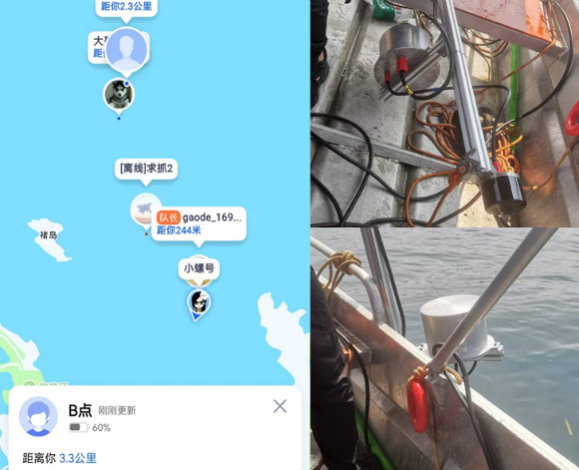
Figure 1 Test Site Image
Table 1 Test Record Sheet
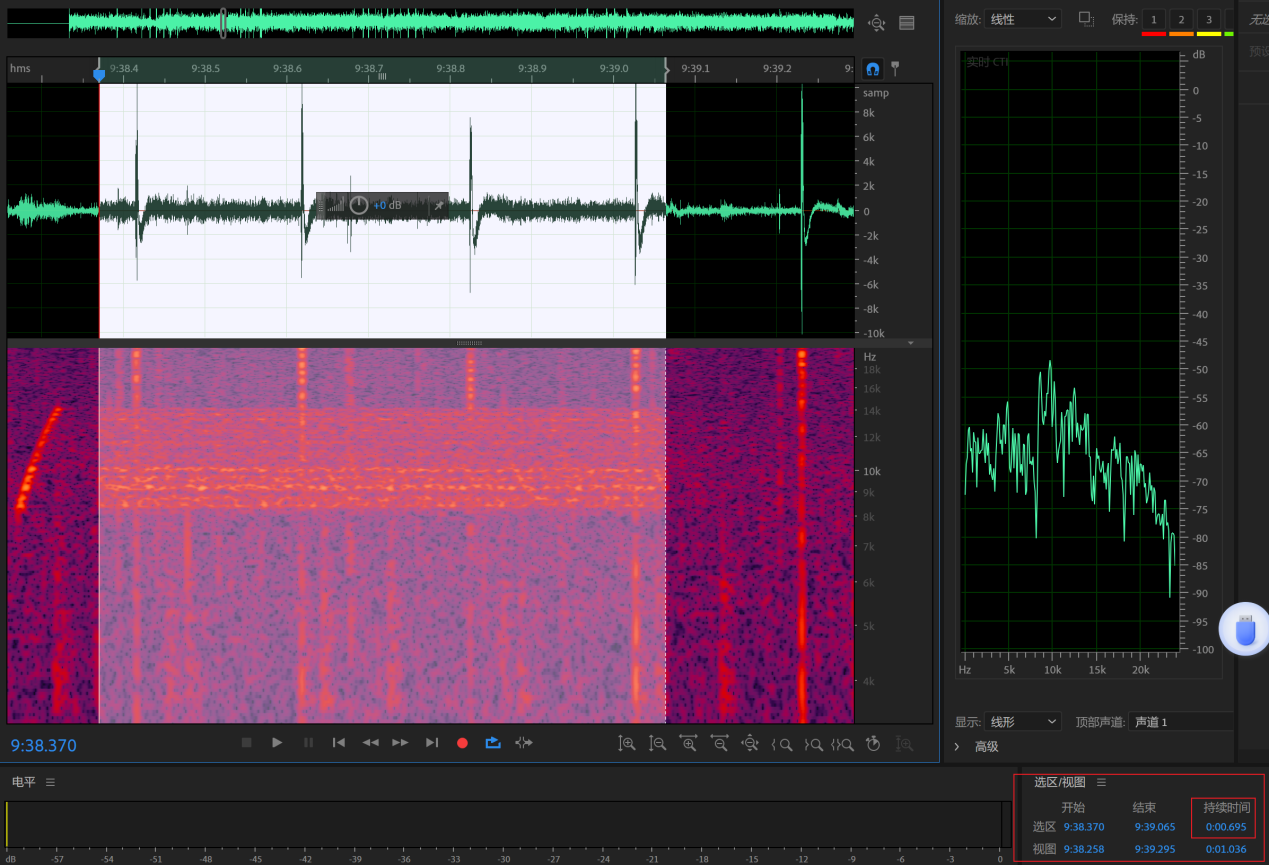
Figure 2 Experimental recorded data waveform
4. Performance Analysis & Engineering Insights
- Depth Dependency & Surface Interference:
- At shallower transducer depths (5 m in Tests 2 and 3), sea surface agitation and wave boundary scattering caused elevated packet loss (20%–25%) at Node A.
- Lowering the transducers deeper into the water column (Node A at 10 m, Node B at 8 m in Tests 5 and 6) cleared the surface boundary layer. At a 3.055 km range, packet loss at Node A dropped to 0%, with Node B recording a low 5% loss rate.
- Bitrate Adaptability (Test 6):
- Over a 2.167 km path, performance was evaluated at both 3 kbps and 6 kbps bitrates. Node A sustained a 100% reception success rate (0% packet loss) across both transmission rates, confirming the modem's decoding stability under variable baud configurations in open sea conditions.
- Ocean Noise Resilience: The field data validates the UAM-08160H's ability to maintain high data integrity despite ambient marine acoustic noise and boundary interference.
5. SEO Metadata Suggestions
- SEO Title: UAM-08160H Underwater Acoustic Modem | Ocean Noise Field Test
- Meta Description: Marine field test report for the UAM-08160H underwater acoustic modem in Weihai, China. Evaluates 1.0 km to 3.3 km telemetry link quality and packet loss under ambient ocean noise.
- Target Keywords: UAM-08160H, Underwater Acoustic Modem, Ocean Noise Test, Marine Acoustic Communication, Shallow Water Telemetry
Related UAM Product series
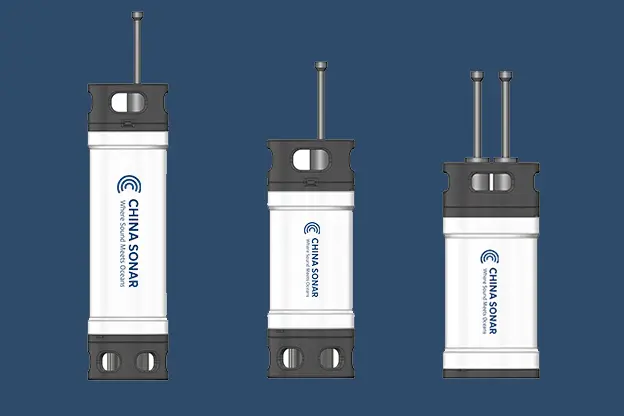
UAM-16320X
Frequency: 16kHz-32kHz
Communication Distance: 3km
Communication Rate:100-4kbps
Operating Range: 300m
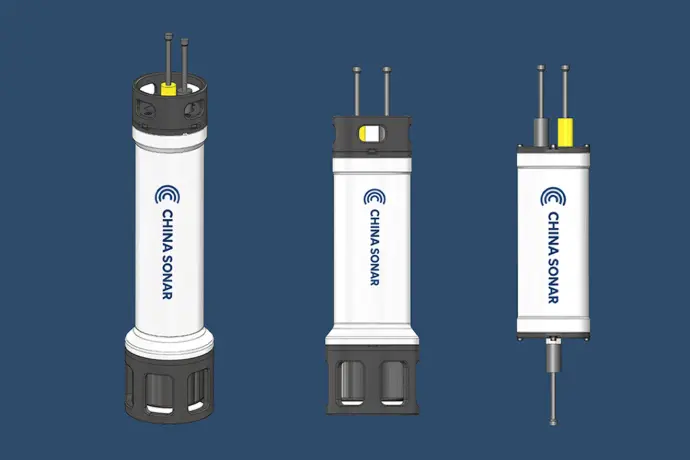
UAM-08160X
Frequency: 8kHz-16kHz
Communication Distance: 10km
Communication Rate:100-4kbps
Operating Range: 300-6000m
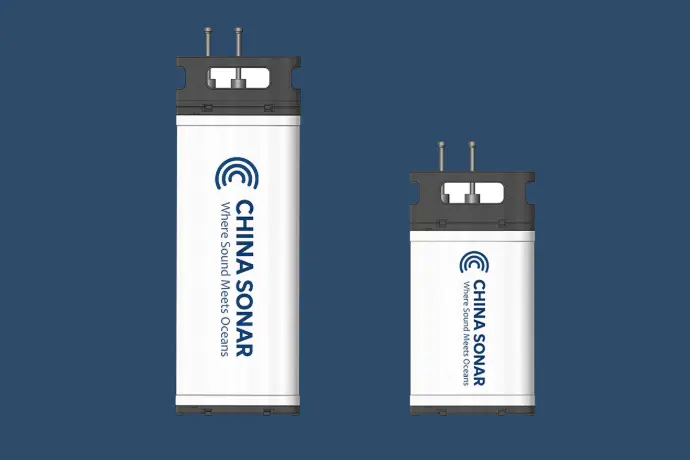
UAM-04080X
Frequency: 4kHz-8kHz
Communication Distance: 30km
Communication Rate:100-1kbps
Operating Range: 6000m
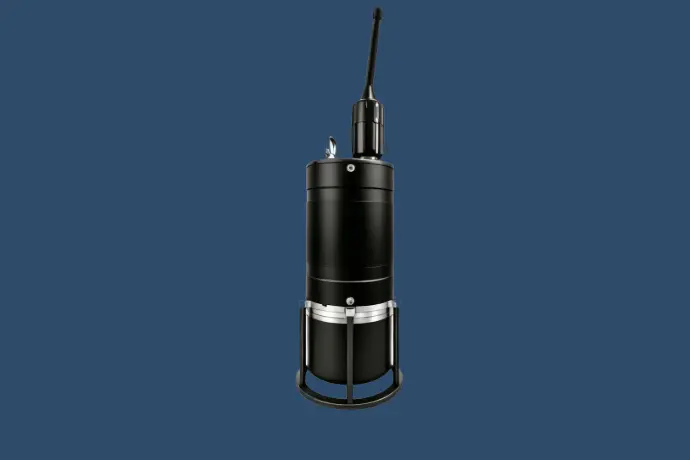
UAM-08160H
Frequency: 8kHz-16kHz
Communication Distance: 10km
Communication Rate: 3–6 kbps
Operating Range: 300-6000m
Underwater Acoustic Modem Performance Test in Ocean Noise Background